
Commercial Drone Inspection Services
FAA Part 107 certified, with high-resolution imaging and optional thermal scanning (add-on). Serving commercial properties in Michigan.
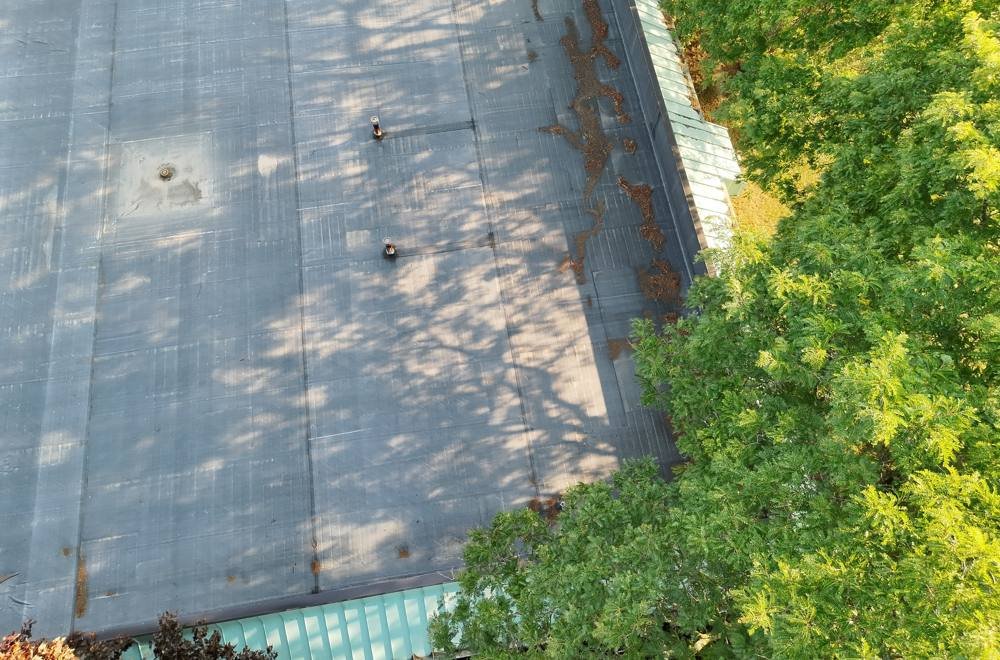
See What You’re Missing From the Ground
Traditional roof and facade inspections rely on ladders, binoculars, and guesswork. MIS uses FAA Part 107 certified drone technology on commercial buildings to capture what ground-level inspections cannot: hidden roof damage, deteriorating flashing, drainage issues, structural concerns, and, with the optional thermal add-on, thermal anomalies that indicate insulation failures or moisture intrusion.
Michael is a HUD-Approved 203(k) Consultant since 2019 (HUD ID P1984), a Licensed Builder in Michigan since 1994, and holds a current FAA Part 107 Remote Pilot Certificate. Drone and thermal work is part of my commercial inspections in Michigan, and every flight is flown under FAA Part 107 rules.
Commercial Drone Inspection Capabilities
High-Resolution Aerial Imaging
Detailed overhead and angled photographs of commercial roofs, facades, parapets, rooftop equipment, and surrounding site. Resolution high enough to identify membrane damage, flashing defects, and drainage issues.
Optional Thermal / Infrared Scanning (add-on)
On commercial buildings, thermal imaging can show what the eye cannot see: missing insulation, moisture intrusion, HVAC inefficiencies, and hidden water damage. It points me to where to look closer before a problem becomes expensive.
Roof & Facade Inspections
Close-up roof views without a ladder when the roof is not safe to walk. Safer for everyone on site, faster than manual methods, and produces photographic documentation from angles that are physically impossible from the ground.
Site Documentation
Aerial photography of the building, site conditions, and surrounding area. Useful for condition assessments, due diligence, and insurance documentation on commercial properties.
Project Oversight & Progress Monitoring
Aerial views of commercial construction progress. Useful for documenting project stages, verifying exterior work completion, and creating before/during/after records.
Commercial Property Assessment
In Michigan, large commercial buildings and industrial properties are inspected efficiently from the air. Covers large roofs in a fraction of the time.
Drone vs. Traditional Inspection
| Factor | Traditional (Ladder/Ground) | MIS Drone Inspection |
|---|---|---|
| Safety | Fall risk, liability exposure | I walk the roof when it is accessible, safe and the weather allows; the drone covers what is not safe to walk. |
| Speed | 2-4 hours for large roofs | 30-60 minutes for complete aerial survey |
| Coverage | Limited to accessible areas | Close views of parapets, seams, and rooftop equipment that are hard to reach on foot |
| Documentation | Handheld photos from limited angles | Hundreds of high-res photos from every angle |
| Hidden Damage | Visible damage only | Optional add-on: thermal imaging can show hidden moisture and insulation gaps on commercial roofs |
| Large/Complex Roofs | Often cannot safely inspect | The drone reaches large and complex roofs that are not safe to walk |
What a Flight Shows You
Real photos from our own flights over commercial properties. This is the kind of detail a drone flight captures.
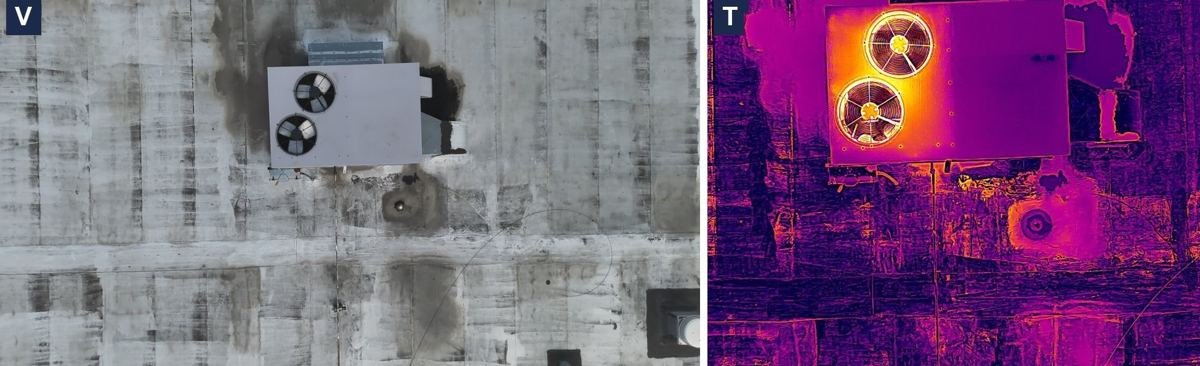
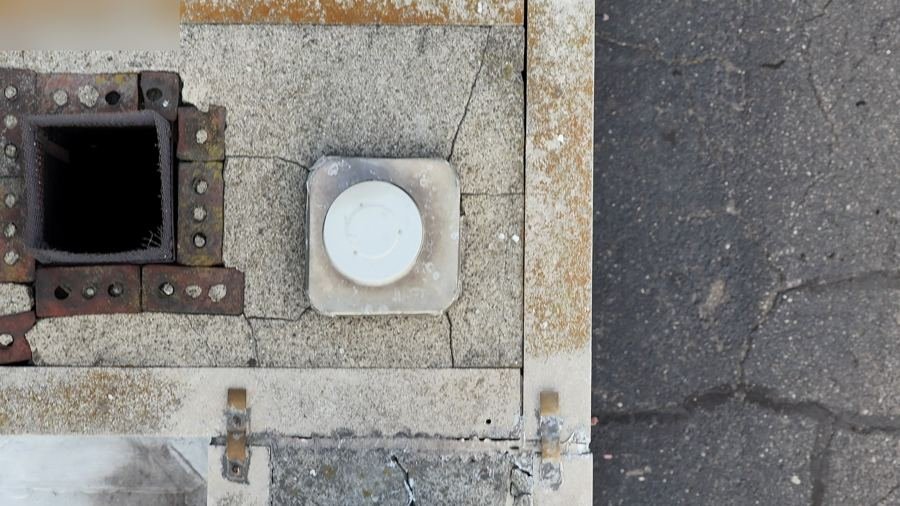
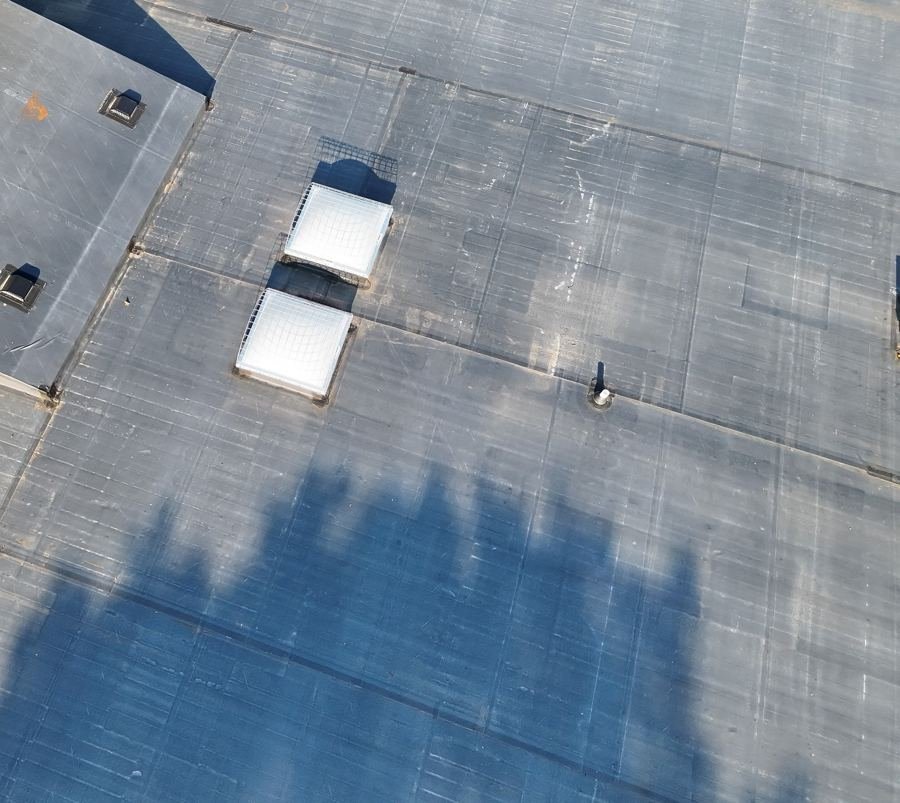
Want to see how this works on a real job? Read commercial roof inspection without a ladder, or see our commercial inspection services.
Who Uses Our Commercial Drone Services?
- Commercial Lenders – Better property documentation for commercial due diligence
- Building Owners & Buyers – Thorough roof and property assessments of commercial buildings before you buy or commit to repairs
- Property Managers – Annual roof and exterior assessments of commercial buildings for portfolio maintenance planning
- Insurance Companies – Damage documentation, claim verification, and pre-policy assessments for commercial properties
- Contractors – Aerial site surveys for estimating and progress documentation on commercial projects